
Five Books on the Nature of God,
or
On the Divine Attributes
or
On the Divine Attributes
By Girolamo Zanchi
Translated by Patrick J. O'Banion
Book 1, Chapter 9, Quaestio 7, Part 4
Volume 1 is available for order now from Merchant Royal Press
Although Scripture sometimes calls idols gods ... it does not do so because it condones this sort of naming, as is the case with other things about which this has been said. Rather, when Scripture calls idols gods, it names them ironically and on the basis of what gentile idolaters believe.
Girolamo Zanchi
The Fifth Thesis
Names that signify God or the divine essence in the concrete—such as the name God and others like it—cannot be properly predicated of creatures but can only be predicated according to a certain similarity that they have with the divine essence.
T
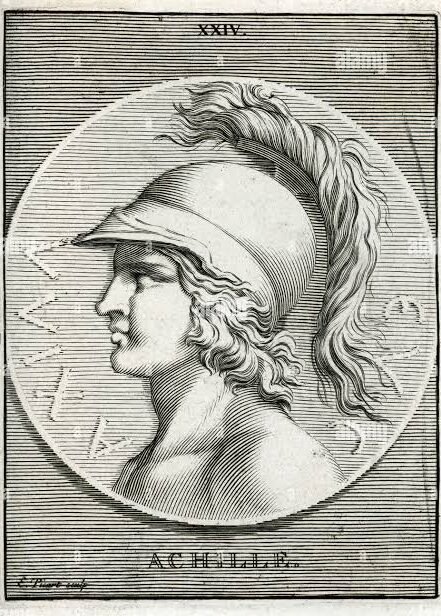
he reason is that just as no single individual can be another individual—as Peter cannot be Paul, if they are to remain individuals, and hence even in heaven the Father cannot be the Son—so neither can the proper names of individuals be predicated of anything else. These are the names whereby individuals are distinguished from other individuals and everything else. Thus, they cannot be predicated of anything other than the individual upon which they have been imposed so as to signify them and distinguish them from others, unless perhaps they are predicated according to a certain similitude. An example of this would be when we call someone a real Cicero because he demonstrates a superlative eloquence similar to Cicero’s. Another example is that we often call someone another Achilles on account of courage. Likewise, in the same sense, Christ said that John the Baptist himself was Elijah, obviously not because the individual John the Baptist was really and properly an individual other than himself (namely, Elijah, for that was simply be impossible[1]) but on account of their similarity and office. Thus, in Acts 14, the Lystrans called Paul Mercury on account of his eloquence, but not because they actually thought he was the person of Mercury.
Nothing is more certain than this proposition: A name that is acquired by or imposed on anything that is τὸ δε τὶ (or: singular) can only improperly be shared with something else. Indeed, the mind cannot conceive that that which signifies only one individual thing would be shared with and would signify many things. Thus, the scholastics say that names imposed to signify a singular thing are incommunicable, both in reality and idea, to many things.[2] And it is manifest that a singular[3] subsistens is indicated when we say: [You shall] not [take the name of] Jehovah [your] God [in vain][4] and similar things in the concrete. For this reason, the name God and other similar names that signify the divine essence in the concrete cannot properly be predicated of creatures. Thus, we rightly say that there can only be one true God. In fact, for the reason just alleged, if the name God is set in place to signify the one Jehovah and the one individual essence,[5] then the conclusion is that multiple gods cannot be.
Now, the confirmation of this thesis extends to all those passages in the Holy Scriptures which predicate only one God and which assert that finding any other gods beside this one God is impossible. For example, we read many times in Isaiah: I am God, and beside Me there is no other [Isa. 45:5]. And again: This is My name: “Jehovah,” and I will not give My glory to another, that is, I will not give My deity and essence by which I am called “Jehovah” to anyone else [Isa. 42:8].
We do, however, grant that some creatures have indeed been named with the name God improperly and by way of resemblance, and that they are even so named in the Scriptures themselves. Thus, judges and magistrates are called gods, even by the testimony of Christ (John 10:34). For as God is the world’s judge, so are they. Accordingly, because in this duty they resemble God, they are rightly called gods on account of that resemblance.
Thus, we read in the Scriptures that even the name Jehovah—notwithstanding the fact that it is the supremely proper name of God and of the divine essence—was attributed to creatures. And this was the case not only with rational creatures, like angels, but even with inanimate creatures, as in Psalm 24:7[–8] when the ark of the Lord is called Jehovah and the King of glory, albeit improperly. The reason is because the ark was the testimony and symbol of the presence of Jehovah Himself. In the same way, the sacramental symbols of bread and wine are called by the names of the things whereof they are the signs: Christ’s body and blood. And likewise, the water is called the laver of regeneration, and the dove and tongues of fire are called the Holy Spirit [Titus 3:5; Matt. 3:16; Acts 2:3]. But based on the circumstances of the passages of divine Scripture where these names are attributed to created things, it is manifestly clear that they are addressed by those names improperly.
In fact, you never read in the Scriptures of the name Jehovah having been attributed to anyone else, as we have shown more than sufficiently elsewhere. But although Scripture sometimes calls idols gods, despite the fact that they do not have any real resemblance to God nor do they fulfil any of His duties, it does not do so because it condones this sort of naming, as is the case with other things about which this has been said. Rather, when Scripture calls idols gods, it names them ironically and on the basis of what gentile idolaters believe. This is seen in the case in Corinth: Although many are called “gods,” for there are many gods (in men’s opinion), yet for us, and so on (1 Cor. 8:5).
Thus, in this case, the name god is neither properly nor improperly predicated of idols but rather falsely and mendaciously. Accordingly, this fourth thesis remains solid: Names signifying God or the divine essence in the concrete cannot be predicated of creatures, except very improperly.
[1] ἀδύνατον.
[2] Aquinas comments: “But the singular, from the fact that it is singular, is divided off from all others. Hence every name imposed to signify any singular thing is incommunicable both in reality and idea; for the plurality of this individual thing cannot be; nor can it be conceived in idea. Hence no name signifying any individual thing is properly communicable to many, but only by way of similitude; as for instance a person can be called Achilles metaphorically, forasmuch as he may possess something of the properties of Achilles, such as strength” (ST, I, q. 13, art. 9).
[3] τὸ δε τὶ.
[4] “Deum Iehovaham לא.” I take this to be a reference to Ex. 20:7: “You shall not take the name of the LORD [YHWH] your God in vain.”
[5] οὐσίαν.