
You might say: God is most righteous, most wise, and most powerful. For in this way God’s righteousness is better distinguished from the righteousness of creatures.
Girolamo Zanchi
Five Books on the Nature of God,
or
On the Divine Attributes
or
On the Divine Attributes
By Girolamo Zanchi
Translated by Patrick J. O'Banion
Book 1, Chapter 8, Quaestio 3, Part 1
Volume 1 is available for order now from Merchant Royal Press
Chapter Eight
Quaestio 3
Are any names spoken of God properly?
The Thesis
Although many names are predicated of God improperly and metaphorically, nevertheless, if we consider the things signified by the names, many are also spoken properly.
Obviously, many names are spoken of God improperly. Such is the case with any names that per se and immediately signify things that cannot exist in God, like bodies and things and bodily actions, as when God is called a lion, a stone, or a tower. But we affirm and teach that many names actually are spoken of God properly. And they are those names that signify such things that are much more perfect in God or are in Him in a more perfect way than they are in things created by Him. Examples of this include being, goodness, wisdom, righteousness, and other things of this sort. These signify a certain perfection, and we are accustomed to call them God’s distinctive characteristics [proprietates].
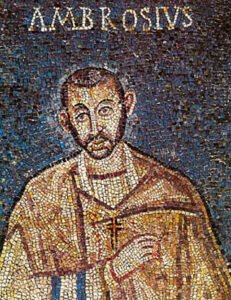
And this is confirmed by the testimony of Ambrose, who commented as follows: There are some obvious indicators which display the distinctive characteristic [proprietatem] of divinity, and they are those which express the clear unity of the divine majesty (On Faith to Gratian, bk. 2, prologue [§2]).[1]
This twofold division actually embraces all names, which either indicate the subject and teach what it is (as do the names Jehovah, Yah,[2] and others of this sort) or predicate what God’s essence is like (such as the names righteous, good, and omnipotent).
Another distinction should be noted that will shed much light on this question. Although almost all of the names (as was previously stated) are derived from things around us and with which we are familiar, nevertheless, two things must be considered in all of the names attributed to God in the Holy Scriptures. First, we must consider the things and perfections signified by means of the names themselves (such as life and goodness), and second, we must consider how these names signify those perfections.
As far as the things and perfections themselves are concerned, these were and are in God before being in creatures, and they were and are in Him even more perfectly than in creatures. In this way, they are proper to God. Just so, insofar as the perfections themselves are signified by means of the names, they are more properly attributed to God than to creatures, and they are appropriate for and predicated of Him prior to being appropriate for or predicated of creatures.
This is why we say that nothing is more righteous, better, or more powerful than God. Thus, God was Father before we were. Therefore, He also necessarily had a Son before we did. And so, the name Son actually precedes us and is more truly and properly predicated of the Word[3] whom the Father begot than it is predicated of us, whence the Son’s true deity is confirmed.
The other point pertains to the manner [modo] in which names signify. Whichever names are derived from creatures—and as noted previously, almost all of the names are so derived—are predicated of God improperly. For they have a manner of signifying that applies to creatures but not to God. For example, [when applied to creatures,] the name righteous signifies righteousness insofar as it is a finite virtue and an accident, really distinct from other virtues. And these names were first contrived to signify virtues of that sort in that manner. But God then willed that these names also be used with regard to Him in order to signify that these virtues are in Him, albeit they are more perfect in Him, and they are in Him in a more perfect manner than they are in us.
Accordingly, as far as manner is concerned, these names are not properly suited both to God and us, since they signify what they signify in an imperfect manner. This is why, when they are attributed to God, they are more properly suited if you add a certain particle that increases the manner of signifying and, thus, establishes a distinction between God and creatures. Thus, you might say: God is most righteous, most wise, and most powerful. For in this way God’s righteousness is better distinguished from the righteousness of creatures. And so, this quaestio is settled.