
Therefore, in order for us to understand what the true and salutary use of the name Jehovah is, we must consider the purpose for which it was revealed. This use is derived from the threefold meaning that was previously explained, namely, so that we might understand who God is and what He is like: He is the eternal and most perfect Being; He is the Creator and Preserver of all things; and (lastly) He is faithful and steadfast to fulfill His promises, even though He sometimes delays their completion for a long time.
 This can be seen in the deliverance of the people from Egypt according to the promise made to Abraham more than four hundred years earlier. And finally, this is the principal reason why He said to Moses: Tell the children of Israel, “Jehovah sent me to you.” This is My name forever. And this is My memorial from generation to generation [Ex. 3:15]. The meaning is: Now, at last, after four hundred years, I will deliver the people, just as I had promised to Abraham, and thus you all will really understand that I am Jehovah, that is, the eternal God of such excellence, and that I am also faithful in fulfilling My promises. Thus, I wish henceforth for this name of Mine, Jehovah, to be a memorial for you forever. A memorial of what? Of My faithfulness, truth, and steadfastness to finally fulfilling My promises, however long I might delay their fulfillment, even as you now see Me doing in the promise of delivering the seed of Abraham from Egypt.

Accordingly, the purpose for which the name Jehovah was revealed is so that, by remembering this name, we might always call to mind and know for certain that, although God might delay, at length He really will fulfill everything that He has promised in Christ. For just as He is Shaddai[1] (all powerful and sufficient for all things), so He is also the One[2] who faithfully carries out His words and promises.
The prophets also teach that this is the chief purpose of the revelation of this name, even preceding the other purposes that we stated. For whenever the Lord promises or even warns about something extraordinary, His customary practice is to add the name Jehovah and often also to reference the deliverance from Egypt whereby He actually made Himself known to be the true Jehovah. What is His purpose in doing this? Plainly, He is depicted over and over again in those passages so that we might understand that He is Jehovah and that He keeps His promise and so that we might exercise sturdy faith that His words and promises will ultimately be fulfilled. This is the case even if His promise often seems long delayed to us and that it is as if He has forgotten it, just as also happened in the promise made four hundred years earlier to Abraham that He would deliver His people out of Egypt.
I will provide two or three examples. With regard to warnings, in Ezekiel 5, in addition to many other things in that chapter, Jehovah says at the end: I will send evil upon you, both evil beasts and plague. Then He adds: I, Jehovah, have spoken (v. 17). It is as if He said: I have spoken. I who, although I often delay the fulfillment of My warnings, ultimately command them to be carried out unless you repent, for I am Jehovah (namely, I am altogether true and reliable). So also, He offers a grave threat in Ezekiel 7, saying afterwards at the end: So that they might know that I am Jehovah (v. 27), that is, that He is the true and eternal God who actually makes good on what He promises and, likewise, on His warnings to those who are unrepentant. So also, when He is about to give the law and add to it both promises and threats, God prefaces it with the name Jehovah and a reminder that He fulfilled His promises to deliver the people out of Egypt. He says: I am Jehovah Elohecha, who led you from the land of Egypt (Ex. 20:2). He uses those two things to convince them that He will both cause His promises to stand toward those who keep the law and fulfill His threats toward those who disregard it.
Accordingly, the purpose for which the name Jehovah has been revealed is so that we might know for certain that our God is the sort of God who, just as He created all things out of nothing and caused them to exist, so also does He make good on all His promises, ultimately fulfilling them and actually keeping His word, and He does these things and, as it were, causes them to subsist.
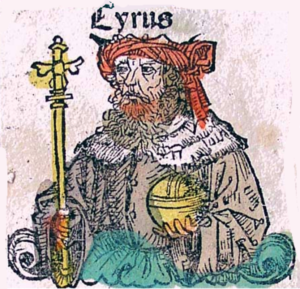 Examples of these promises occur everywhere in the Prophets, for He often adds the name Jehovah in order to increase faith in them. In Isaiah 45:2, King Cyrus being as yet unborn, God promises certain victory over the king of Babylon, which promise would not have its fulfillment for more than a hundred years. In order to promote the increase of faith by this promise, He adds that He will fulfill all these things. He says: in order that you may know that I am Jehovah [Isa. 45:3]. As if to say: You yourselves will ultimately know Me to be Jehovah—sincere, faithful, and steadfast in My promises—by the fulfillment of these promises.
Thus, in Jeremiah, when God promises a new covenant with Christ’s church, consisting of the free remission of sins and the writing of the law on their hearts, He repeats the name Jehovah, saying: “In that time,” says Jehovah, “I will be God to all the kinsmen of Israel, and they will be My people. Thus says Jehovah” (Jer. 31:1). In short, in that chapter, which contains great promises, He repeats the name Jehovah thirty-three times. Why? So that by this holy name, which comes from being and which signifies the steadfastness of God to His promises, He might render the faithful confident about the ultimate future fulfillment of those promises. For this reason, there is no doubt that the purpose for which God revealed this most holy name was and is so that it might be a memorial to us unto eternity whereby we might remember that God speaks truly and is steadfast in His promises. After four hundred years, He fulfilled the promise made to Abraham with regard to his seed being delivered from Egypt and thus showed that He is Jehovah. Just so, all the other promises made concerning our salvation in Christ will without a doubt ultimately be fulfilled. This is the purpose.
Therefore, we will make proper (and hence profitable) use of this name when, having heard it, we direct a sturdy faith toward the promises of this Jehovah, convinced that they will ultimately be fulfilled on account of the fact that He who promises is not only the Shaddai[3] but also Jehovah. What could be more excellent than this doctrine and this use of the name יהוה? What could be more divine? What could be found or imagined that is more advantageous for the salvation and consolation of our souls?
We ought therefore to carefully train ourselves in it in this way. Jehovah is He who elects us unto eternal life. Jehovah Himself promises the remission of every sin, the regeneration of our nature, protection against enemies, the support of blessings (even our daily bread), perseverance in faith, and full possession of eternal life at last to all those who believe in Christ. He does this just as He also once made a promise to Abraham, more than four hundred years before the fact, to redeem His people from Egypt and bring them into the land of Canaan. And at last, when things seemed desperate and as though God had forgotten His promises, He made good on them, declaring Himself truly to be Jehovah, seeing that He made good on His promise.
This being the case, what doubt can there be about promises about the accomplishment of our salvation in Christ? And why should we doubt not? Because He who promised is Jehovah. Therefore, even if our body disagrees, even if the wisdom of the flesh resists, even if the world rages, even if the gates of hell rise up against us, even if our own sins persuade of us something different, even (finally) if an angel from heaven were to proclaim something else to us, there is yet no doubt whatsoever but that God really will make good on everything that He has decreed, everything that He has promised—not only the physical but also the spiritual blessings—and that ultimately and at last, after a long and tedious delay and following our lengthy captivity, He will also command them to be carried out. Why? Not so much because He is Shaddai[4] as because He is Jehovah.
This is the true and salutary use of the name Jehovah. In His explanation to Moses, Jehovah Himself required this use of the Israelites, and He requires it of us as well. He did this—on the basis of the etymology and meaning of the name יהוה, through the actual deliverance of the people from Egypt, and according to the promise to Abraham made many years earlier—in order to build us up in our confidence about the fulfillment of every one of the divine promises. And this suffices concerning the name יהוה.