
Since God receives nothing from any created thing, but rather the reverse, it follows that God is not rightly said to be like creatures but that the opposite is true.
Girolamo Zanchi
Five Books on the Nature of God,
or
On the Divine Attributes
or
On the Divine Attributes
By Girolamo Zanchi
Translated by Patrick J. O'Banion
Book 1, Chapter 8, Quaestio 6, Part 2
Volume 1 is available for order now from Merchant Royal Press
Accordingly, since God receives nothing from any created thing, but rather the reverse, it follows that God is not rightly said to be like creatures but that the opposite is true. Hence, all creatures are similar to God on account of the fact that they have and possess some perfection of God. But they are also dissimilar insofar as they have the perfections that they have from God imperfectly, and not as God has them.
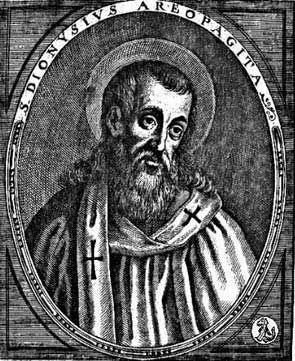
And this is what Dionysius the Areopagite wrote (and rightly!) in The Divine Names when he said:
The same things are both similar and dissimilar to God. They are, indeed, similar to Him because, by power, they partake of Him who cannot be partaken of. But dissimilar because the effects (that is, the created things) are much inferior to their Cause and are far removed from Him by an infinite and incomparable distance (ch. 9[, §7]).[1]
Hence, it is the case that God makes Himself known to us through creatures (as Romans 1 says), since they preserve a similarity to God through which, to some extent, God is made known to us. This is why He also rightly intended for Himself to be called by the names of His creatures in accordance with the likeness that they have with God. For the names signify the qualities and perfections of created things, whereby they are similar to God. Now, as we come to know the perfections of created things, we are led to a knowledge of the most perfect God.
Accordingly, not only was it useful for us that God intended Himself to be described and signified even by the names of the lowliest things, but that doing so was no disgrace to Him. This is what Dionysius says in the first chapter of The Divine Names: God is everything that is (insofar as we live and move and exist in Him [Acts 17:28]), and thus He can be called by the names of all things, since nothing subsists in the nature of things that does not have some vestige of the highest divinity, whence its name can be appropriately and piously accommodated to God. On the other hand, in that same book, Dionysius also wrote that God is nothing that is because He is above all things and surpasses all things. So then, God rejects every name, since He transcends everything that can be named.[2]
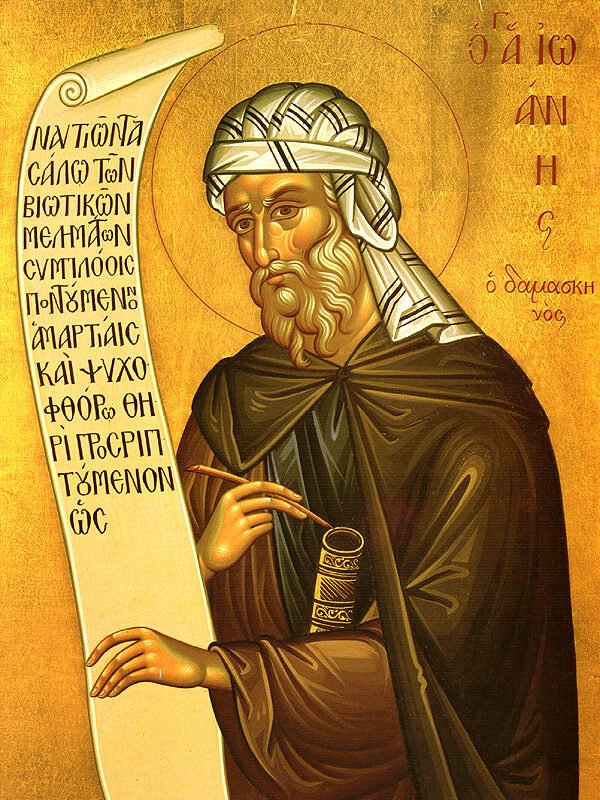
And thus, the Damascene writes: For He does not belong to the class of beings, because He transcends all beings [The Orthodox Faith, bk. 1, §4], and for this reason God is more properly named with negative than with affirmative names.[3] Hence, a name taken from created things is unbefitting of God the Creator to the extent that those created things are dissimilar from Him. But to the extent that they are similar to Him, He is rightly addressed by their names. And this is for our sake, namely, so that through a knowledge of the perfections that God established in creatures, we might be led unto a knowledge of God Himself one step at a time.
On this account, lest we altogether abandon the possibility of knowing God, after pointing out that who He is and what He is like by His nature is incomprehensible and consequently that no name can be known or found whereby His essence might be expressed to and perfectly known by us, the Damascene rightly says that out of His ineffable goodness toward us, God willed to be named in accordance with that which is familiar to us ([The Orthodox Faith,] bk. 1, ch. 12b).[4] And then he added these truly beautiful and useful words:
Therefore, although as incomprehensible, He is also unnamable, nevertheless, as causative of everything and possessing beforehand in Himself the principles and causes of all beings, He may be named from all beings—even from opposites such as light and darkness, water and fire, that we might know that He is not these things essentially but is superessential, on which account He is unnamable—since as causative of all beings He is named after all the beings that are caused.[5]
This question seems to have been sufficiently explained, and our thesis confirmed. I will add only that there is another reason why God willed to be addressed by the names of nearly all created things. Just as God deemed all things worthy of His goodness and perfections, so conversely, He also endowed them all with the honor of taking their names for Himself and putting them on. In the same way and in turn, He sometimes deemed one or another of them to be worthy of His own name, namely, Jehovah, Elohim, or God. All of these things teach that our God is loving.
[1] Pseudo-Dionysius, The Complete Works, 118. See also, The Celestial Hierarchy, ch. 4, §1, which similarly asserts: “Hence everything in some way partakes of the providence flowing out of this transcendent Deity which is the originator of all that is. Indeed nothing could exist without some share in the being and source of everything. Even the things which have no life participate in this, for it is the transcendent Deity which is the existence of every being.” Pseudo-Dionysius, The Complete Works, 156.
[2] This is not a quotation from The Divine Names but rather a reflection of the teaching in ch. 1, especially §§5–7. Pseudo-Dionysius writes there in part: “As Cause of all and as transcending all, [God] is rightly nameless and yet has the names of everything that is, for he is their cause, their source, and their destiny. He is ‘all in all,’ as scripture affirms” The Complete Works, 56 (ch.1, §7).
[3] οὐδὲν γὰρ ἐστὶ τῶν ὂντων: ἀλλʼ ὑπὲρ πάντα ἐστὶ. Quoted from John of Damascus, On the Orthodox Faith, 66 (altered). The fuller quotation reads: “For he does not belong to the class of beings, not because he does not exist but because he transcends all beings and transcend even being itself.”
[4] ait voluisse Deum δι᾽ ἄφατον ἀγαθότητα, pro sua indicibili erga nos bonitate, ἐκ τῶν καθ᾽ ἡμᾶς ὀνομάζεσθαι. Quoted from John of Damascus, On the Orthodox Faith, 88 (altered).
[5] Καθ᾽ ὃ μὲν οὖν ἀκατάληπτος ἐστὶ, καὶ ἀκατονόμαστος· ὡς δὲ πάντων αἴτιος, καὶ πάντων τοὺς λόγους τῶν ὄντων, καὶ τὰς αἰτίας ἐν ἑαυτῷ προέχων τῶν ὄντων κατονομάζεται· καὶ ἐκ τῶν ἐναντίων· οἷον φωτὸς καὶ σκότους, ὕδατος καὶ πυρὸς· ἶνα γνῶμεν, ὅτι οὐ ταῦτα κατ᾽ οὐσίαν ἐστὶ· ἀλλὰ ἐστὶ μὲν ὑπερούσιος, διὸ καὶ ἀκατονόμαστος· ὣς δὲ πάντων τῶν ὄντων αἲτιος· ἐκ πάντων τῶν αἰτιατῶν ὄνομάζεται. Quoted from John of Damascus, On the Orthodox Faith, 88 (altered).