
For God, it is the same thing to be as it is to be powerful or wise or anything else that you might say about that simplicity that signifies His substance.
Augustine
Five Books on the Nature of God,
or
On the Divine Attributes
or
On the Divine Attributes
By Girolamo Zanchi
Translated by Patrick J. O'Banion
Book 1, Chapter 7, Quaestio 2, Part 3
Volume 1 is available for order now from Merchant Royal Press
Hence, it is plain that, of the names affirmed of God, not one but many—indeed, all of them, except those which signify a relation[1] to creatures—are predicated of God essentially.[2] That is, this is plain because all these names indicate one of two things. Either, as in the case of the name Jehovah, they indicate the subject itself and one way or another teach what the subject is [quid sit], or they establish the virtues and perfections in God that are signified by those names and declare not only who God is but also what He is like [non solum quis, sed etiam qualis sit Deus].
Moreover, as I said, in God these virtues are His essence. For He is righteous, good, and so forth by His essence. That is why the virtues, which are manifold and imperfect in created things, are all the one utterly perfect thing in God, namely, the divine essence. Accordingly, when God is said to be righteous, good, or powerful, this does not mean, as is taught by the two opinions we refuted, that God is merely the cause of goodness, righteousness, and power nor that He is merely not evil, not unrighteous, not powerless. Rather, the meaning is that whatever goodness, righteousness, or power is in creatures, all of it first previously existed and exists in God, but His goodness, righteousness, and power is far more perfect and is in Him far more perfectly than in creatures.
And so, God truly is righteous, good, and powerful, that is, consummately good, consummately righteous, and consummately powerful. Indeed, the reason that He is also the cause of such virtues and perfections in things created by Him is because He is such in Himself and by His nature. Far be it that He is called good merely because He is the cause of goodness. Rather, the contrary is true: The reason why He is the cause of goodness in others is because He Himself is first good in Himself, by His nature.
Based on the refutation of these two errors, it is clear that these names of which we are speaking are predicated of God essentially,[3] not only because they indicate God’s very essence and, one way or another, teach what His essence is, but also because they refer to what He is like in Himself. Which is to say, He is such as the words themselves indicate, albeit in a manner far different and more perfect than either the names themselves predicate or than is the case for creatures.
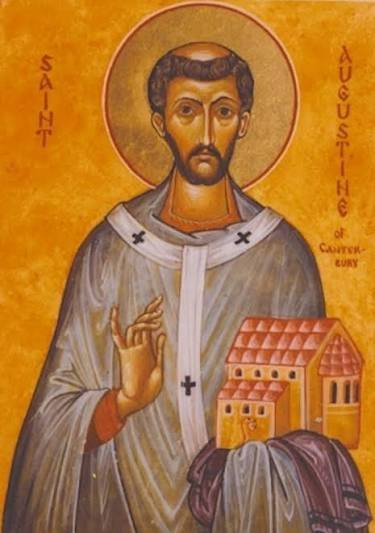
Thus, Augustine rightly said: For God, it is the same thing to be as it is to be powerful or wise or anything else that you might say about that simplicity that signifies His substance (The Trinity, bk. 7 [that is, bk. 6, §4.6]).[4]
In sum, all the names of God that either signify the subject (especially in the case of the name Jehovah) or God’s essential properties are spoken essentially[5] of God, because they either indicate God’s essence and teach who God is or they predicate what that essence is like, although in either case they do so imperfectly. For just as creatures, because of the likeness they have with God, refer to or represent God by the perfections which are in them (but imperfectly), so also do names spoken of God essentially[6] signify God’s essence—who He is and what He is like (but very imperfectly).
Accordingly, some object with Simonides’s response, which everyone knows and approves, that the more one thinks about it, the less one knows what God is.[7] Others object with what the Damascene said: Therefore, since we do not know its [that is, the Divinity’s] essence, we should not seek out its name, for names are indicative of actual things [On the Orthodox Faith, bk. 1, ch. 12b] or similar statements.[8] If they object in that way, it is easy to respond to them that the opinions of those learned men only lead to the conclusion that what God is cannot be perfectly known or comprehended.
And so, no name may be found whereby the divine essence can be set forth to us according to its own excellence. But we have already freely granted this. However, no reasoning or authorities will ever overcome the fact that God can be known by us insofar as is necessary for our salvation, and that, with His many names, He can indicate to us who and what He is and what He is like. This, indeed, is what the Holy Scriptures plainly teach.

[1] σχέσιν.
[2] οὐσιωδῶς.
[3] οὑσιωδῶς.
[4] Augustine, The Trinity, ed. John E. Rotelle, trans. Edmund Hill, The Works of Saint Augustine: A Translation for the 21st Century, I/5 (New City Press, 1991), 209.
[5] οὐσιωδῶς.
[6] οὑσιωδῶς.
[7] The story of the sixth-century BC Greek sage Simonides upon which this comment is based comes by way of Cicero’s Nature of the Gods (bk. 1, §60): “If you should ask me what God is, or what his character and nature are, I should follow the example of Simonides, who, when Hiero the tyrant proposed the same question to him, desired a day to consider of it. When he required his answer the next day, Simonides begged two days more; and as he kept constantly desiring double the number which he had required before instead of giving his answer, Hiero, with surprise, asked him his meaning in doing so: ‘Because,’ says he, ‘the longer I meditate on it, the more obscure it appears to me.’”
[8] ἀγνοοῦντες τὴν οὐσίαν ἀυτοῦ· τῆς οὐσίας ἀυτοῦ μὴ ἐκζητῆσομεν ὄνομα. Quoted from John of Damascus, On the Orthodox Faith, 88.