
Insofar as, in a certain sense, God is everything that is ... to that extent God Himself can also be named by the names of all things, signifying a certain perfection. But it is also the case that God is in no way anything that is, both because He is above all things and because (so to speak) He formally and really is not any created thing, for then He would be a creature.
Girolamo Zanchi
Five Books on the Nature of God,
or
On the Divine Attributes
or
On the Divine Attributes
By Girolamo Zanchi
Translated by Patrick J. O'Banion
Book 1, Chapter 9, Quaestio 7, Part 1
Volume 1 is available for order now from Merchant Royal Press
Chapter Nine
Quaestio 7
I come now to the seventh quaestio, which follows from the sixth. If it is the case that God willed to be called by the names of creatures and, in turn, sometimes to adorn them with His names, then it is asked: Can all of the same names predicated of creatures also be predicated of God, or not? And conversely, can everything that is said of creatures also be said of God? This quaestio has two parts; with regard to the first part, I propose this thesis:
The First Thesis
Whatever names are spoken of things created by God signifying some perfection, can and cannot be predicated of God in diverse respects.
T
his thesis about the sense in which every name of a created thing that signifies a perfection can and cannot be predicated of God is clear from what the sixth quaestio said on the basis of the first book of Dionysius the Areopagite’s The Divine Names and as confirmed by the testimony of the Damascene. Namely, insofar as, in a certain sense, God is everything that is—this on account of the perfections that all things have, which in Him are most perfect—to that extent God Himself can also be named by the names of all things, signifying a certain perfection. But it is also the case that God is in no way anything that is, both because He is above all things and because (so to speak) He formally and really is not any created thing, for then He would be a creature. And, thus, insofar as they are things different from God, to that extent (or in that respect) the things that are said of creatures cannot be predicated of God. With this oft-alleged distinction, our thesis becomes clear and firm.
Notwithstanding, so as to better and more usefully comprehend this matter, certain rules have been set forth whereby we can understand which names predicated of creatures can also be predicated of God Himself and how, and which cannot actually be predicated of Him.
(1) The first rule is that all names predicated of creatures signifying, by natural signification, some perfection absolutely and without defect are also predicated of God and, indeed, are predicated of Him properly. Examples include the names being, life, goodness, wisdom, and others of this sort. In fact, as pertains to the things themselves actually signified by these names, they are first and more properly predicated of God than of creatures, as we said previously. For, goodness, being, and all other perfections first preexist and have preexisted in God (that is to say, they have existed in Him from all eternity) and they do so in Him more perfectly than they do in creatures. For God makes us partakers of them temporally.
And this is why these names of God are not only predicated in the concrete but also in the abstract. For He is not only properly good and being but also essence and goodness. But for creatures, these names can only be predicated concretely. The reason: because creatures are such things by participation, while God is so of Himself and in a most perfect manner; He is even the Author of all being and goodness in others. Hence, this is a very true and sure rule.
(2) The second rule is: Any names spoken of creatures that signify a perfection—not absolutely but in a manner that is proper to creatures—cannot be predicated of God except by way of analogy and metaphor. Now, something is described as being predicated of something else metaphorically (μεταφορικῶς) when that which is properly predicated of and proper to one thing is accommodated to another thing (of which it is said to be predicated metaphorically[1]) on account of some similarity.
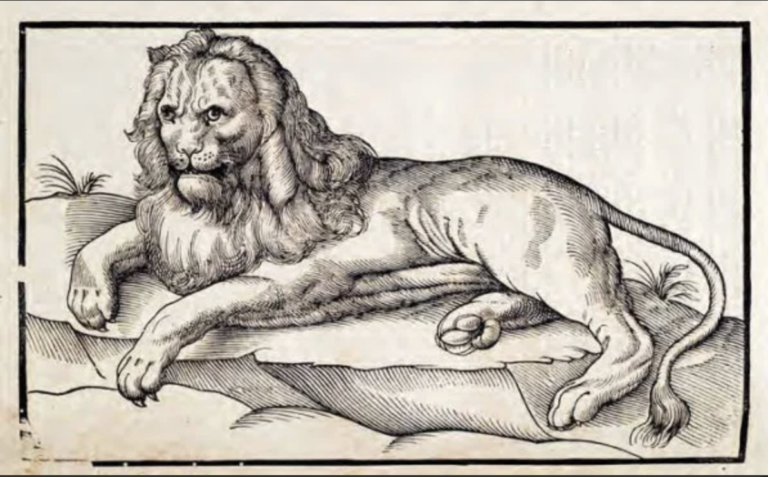
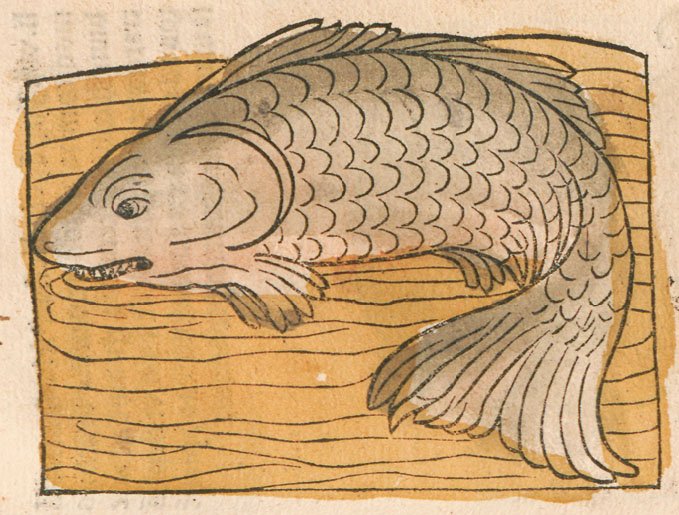
Consequently, if such names are predicated of God, they should only be understood to be predicated metaphorically,[3] as when Moses called the pre-incarnate Son of God a man or a human being when He appeared to the patriarchs. That is to say, Moses called Him that on account of the resemblance to and form of a man, which He took up for a time and was soon to lay aside, but not because He was true man at that time.
Next, all the names that signify properties or actions of things, arising out of a species’ own basic principles are also of this kind. For such things can only be said of God figuratively (and by way of similarity) or metaphorically, such as to laugh, to speak, to hear, to smell, to sleep, to repent, and things of this sort. For all of these are properties or actions, some of which are common to all creatures and some of which are characteristic of human nature. Thus, when we read these things with reference to God—namely, that He laughed, repented, or spoke—they must be understood figuratively. Unless perhaps this is said to have been done in others or through others, as when He really spoke either through Moses and the prophets or in assumed bodies.
(3) The third rule is that any name predicated simply of creatures that pertains to some vice and does not signify any perfection can in no way be predicated of God. Examples of these include the names sinner, wicked, and liar. Surely God cannot be designated by these names in an absolute sense. On that account, He is never called sinner, wicked, or other such names in the Scriptures. Likewise, words that are derived from these names are never spoken of God but rather are clearly removed or negated. Take Numbers 23[:19] as an example: God is not a man that He should lie. Or Romans 9[:14]: Is there any unfairness in God?
These are the three kinds of names which are predicated of creatures. For they either signify a perfection or an imperfection and vice. If they signify a perfection, then they either do so simply and absolutely and without defect—and thus we have the first rule, namely, that these names are also predicated of God properly—or they do so in a way characteristic of creatures and encountered in each member of a species and, so, with a certain defect. Thus, the second rule is taught: These names can only be predicated of God figuratively and by way of similarity. But if names simply signify nothing more than an imperfection and vice, then we have the third rule: These names can in no way be said of God, who is the utmost perfection and without defect.
I judge, therefore, that the first part of the seventh question has been sufficiently explained. But if, at this point, one inquired in passing whether the things that are said of God and of creatures are said of creatures first or of God first, I respond once more in the same way that I did previously. Or rather, I repeat the response previously given and explain it thus: